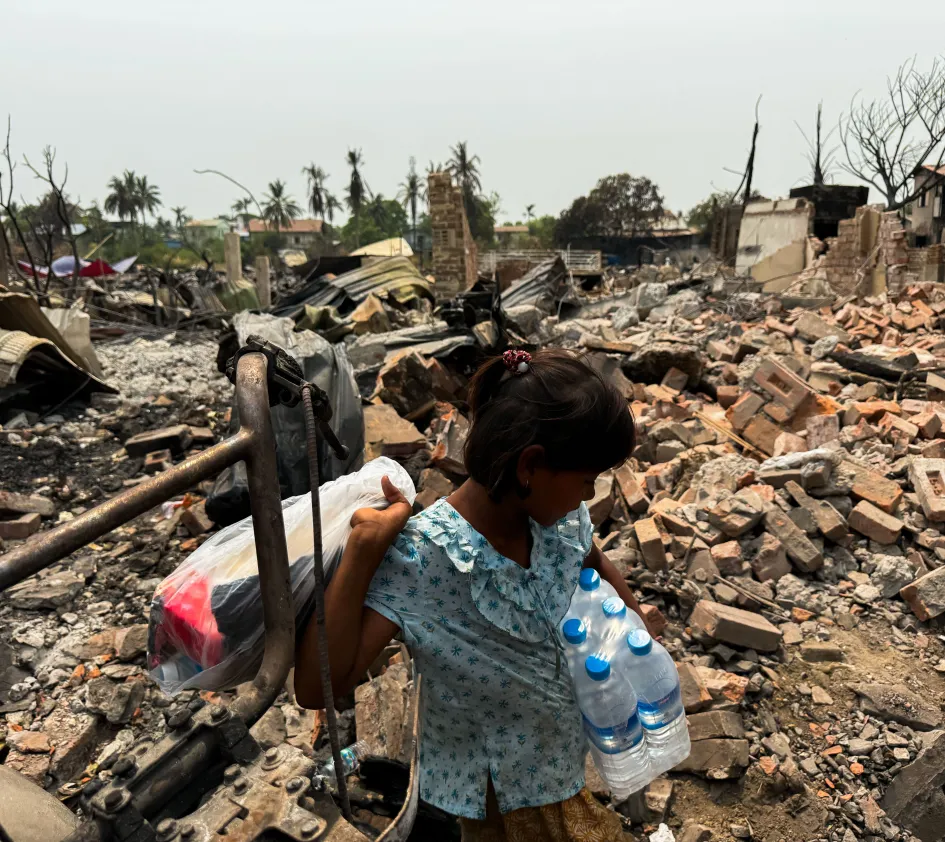
Thousands of families experienced immense fear and grief as they struggled to cope with the impact. ZOA in Myanmar, together with local partners, provided emergency support in a timely manner.
One year after the earthquake in Myanmar
Today, March 28, marks one year since a powerful earthquake struck Myanmar, causing widespread destruction and leaving many people facing severe and heartbreaking consequences. The earthquake caused extensive damage across Mandalay, Sagaing, and Southern Shan regions, resulting in significant loss of homes, property, and lives.
24 February 2026
Emergency response
In the first three months after the earthquake, ZOA supported affected families with food assistance, safe water and sanitation support, emergency shelter materials, essential household items, and multi-purpose cash assistance. Our emergency assistance reached 78,497 people, and a total of 6,845 households received cash to cover their immediate needs.
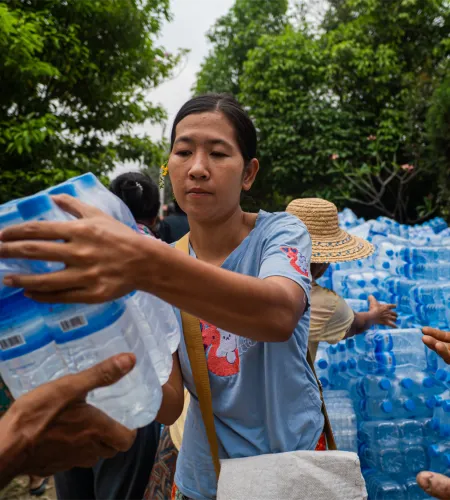
This support allowed households to make their own decisions while coping with daily challenges. ZOA worked to ensure that assistance reached communities quickly and reflected local realities, helping families stabilise.
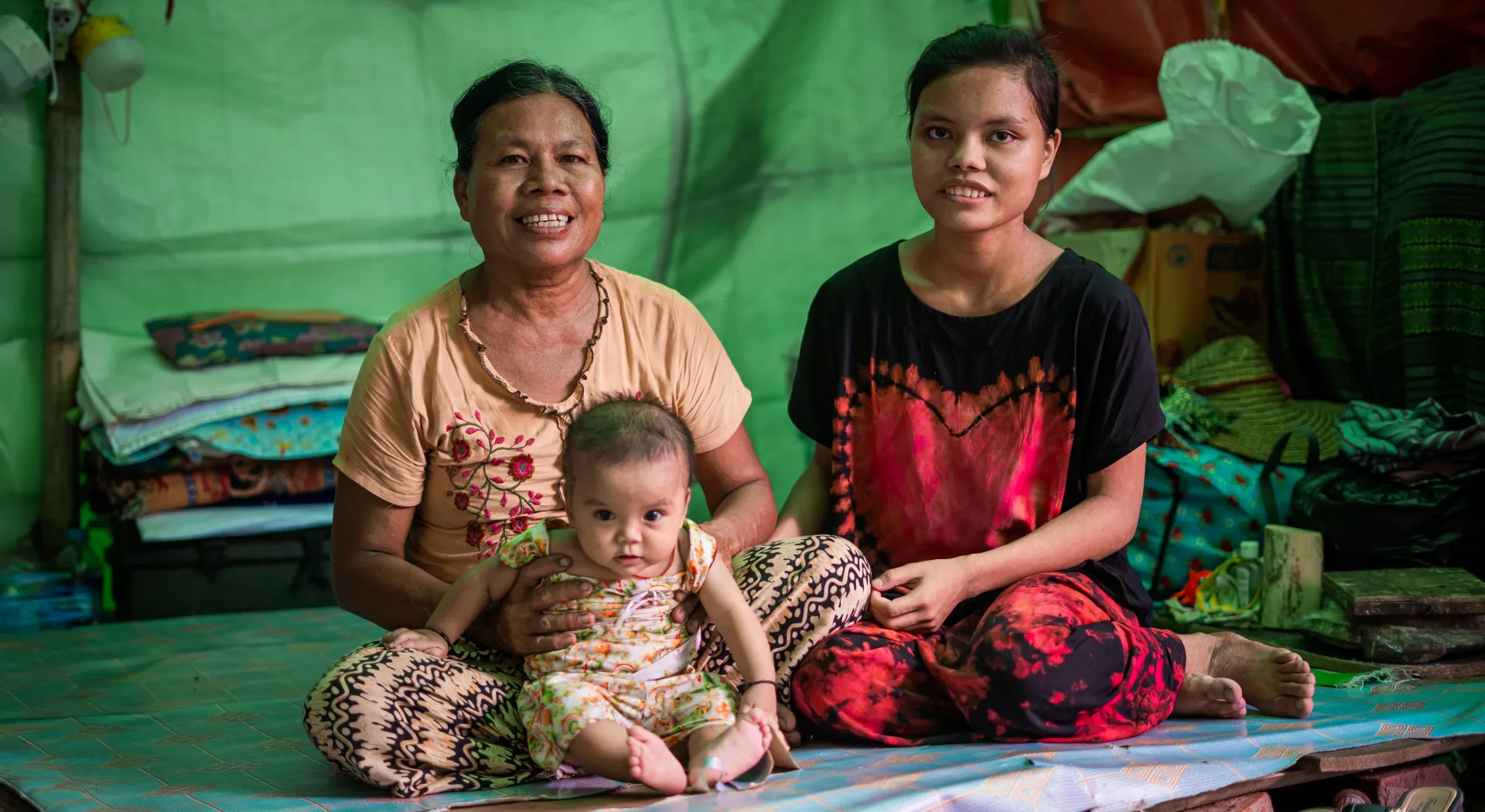
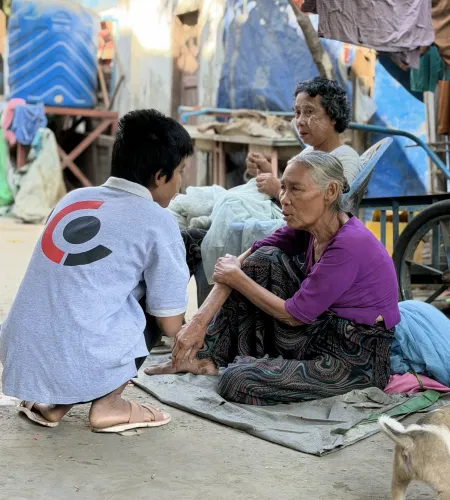
Daw Than Than Yu:
"There was no food, no water, and no proper roof over our heads. The heat kept rising, and I feared for my little granddaughter. With this cash support, I can buy food, clean water, and medicine for my family, and repair parts of our home."
From relief to recovery
As communities moved from immediate relief toward recovery, ZOA continued to stand alongside them. Over the past year, we have supported households with longer-term activities aimed at strengthening resilience and helping families rebuild their lives.
ZOA's Manager of Programme Quality explains: “Our priority has been not only to respond quickly, but to do so responsibly and with dignity, supporting communities as they rebuild their lives.”
Rebuilding farming livelihoods
As communities began rebuilding, ZOA shifted to early recovery support focused on restoring livelihoods, with agriculture as the main source of income for many households. However, damaged farmland left the soil uneven and difficult to work, making it impossible for farmers to start the season as before.
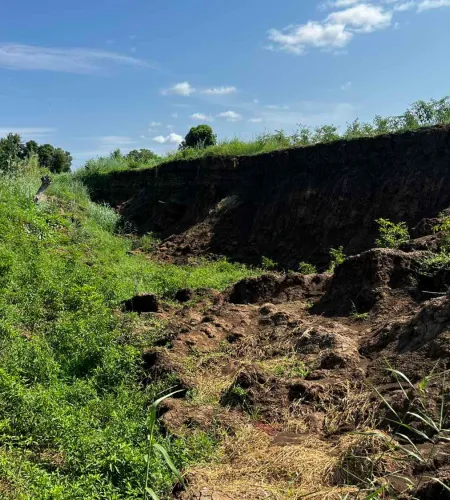
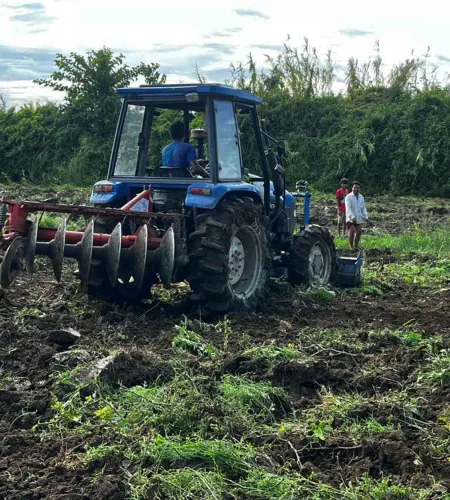
Machine-assisted land preparation became necessary, but the high costs of equipment rental and fuel posed a major challenge for families already struggling to meet their basic needs.
Together with local partners, ZOA supported farming communities to resume agricultural activities by rehabilitating damaged land, distributing quality fertilizer, and improving access to essential inputs. In total, 926 farming families were supported to rebuild their farmland and move toward recovery.
Strengthening long-term resilience
As recovery progressed, many farmers needed more than land rehabilitation to fully restart their livelihoods. To support sustainable recovery, ZOA encouraged farmers to collaborate, support each other, and access resources more easily.
This led to the formation of farmer groups and the introduction of a revolving fund system. ZOA provided start-up capital, enabling farmers to access low-interest loans and purchase inputs collectively at lower cost. In total, 1,825 farmers from 44 villages benefited from this support.
Looking ahead
One year on, communities continue to rebuild their daily lives after the earthquake. Many families are still recovering from the losses they experienced and are working step by step to restore their livelihoods.
ZOA in Myanmar remains committed to working with local partners and affected families to strengthen resilience and support sustainable recovery in the months ahead.