We are here in Nigeria

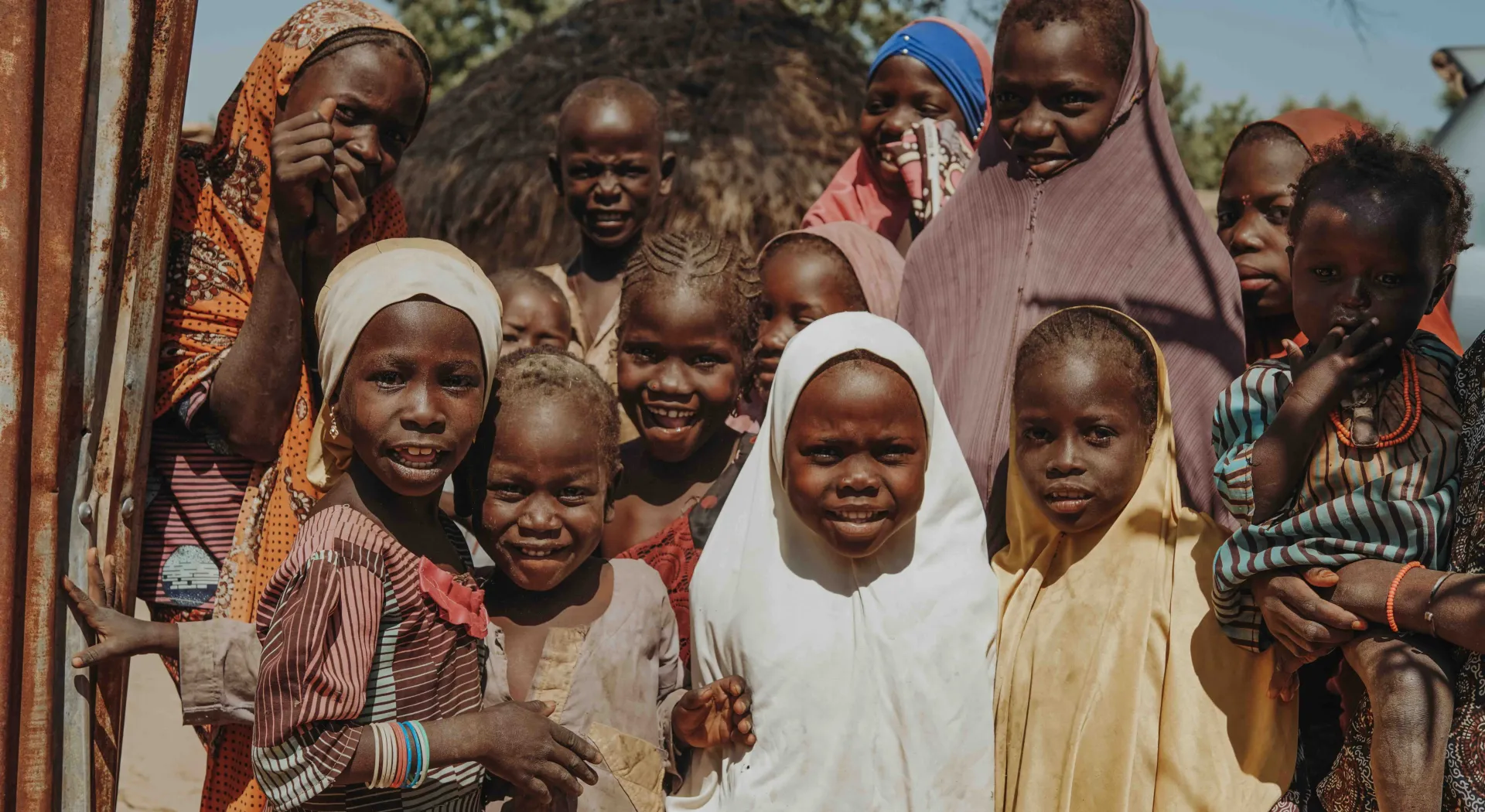
A humanitarian disaster is unfolding in northeastern Nigeria. More than 3.6 million people have been displaced within the country, fleeing both Islamic extremism - including Boko Haram - and the effects of natural disasters. The population is in urgent need of humanitarian assistance.

Read more

Conflict and violence lead to massive displacement

0
Nigerians have left their homes
Icon/noodhulp
142,000 refugees and asylum-seekers from more than 45 countries

emergency relief

Relief aid in a terrorised nation

Of Nigeria’s approximately 230 million inhabitants, an estimated 3.6 million people have been displaced within the country. While recurring natural disasters continue to force people from their homes, violence remains the primary driver of displacement. Boko Haram poses a severe threat to civilians and is notorious for attacks on churches and markets, as well as the mass abduction of schoolchildren. Since the group radicalized in 2009, tens of thousands of civilians have been killed, making Boko Haram one of the deadliest terrorist organizations in the world.

Other armed groups are also active in Nigeria. Particularly in the northeast, women and children are abducted and forced to take part in suicide attacks. Strapped with explosive belts, they are sent into cities to spread death and destruction, instilling widespread fear among the population.

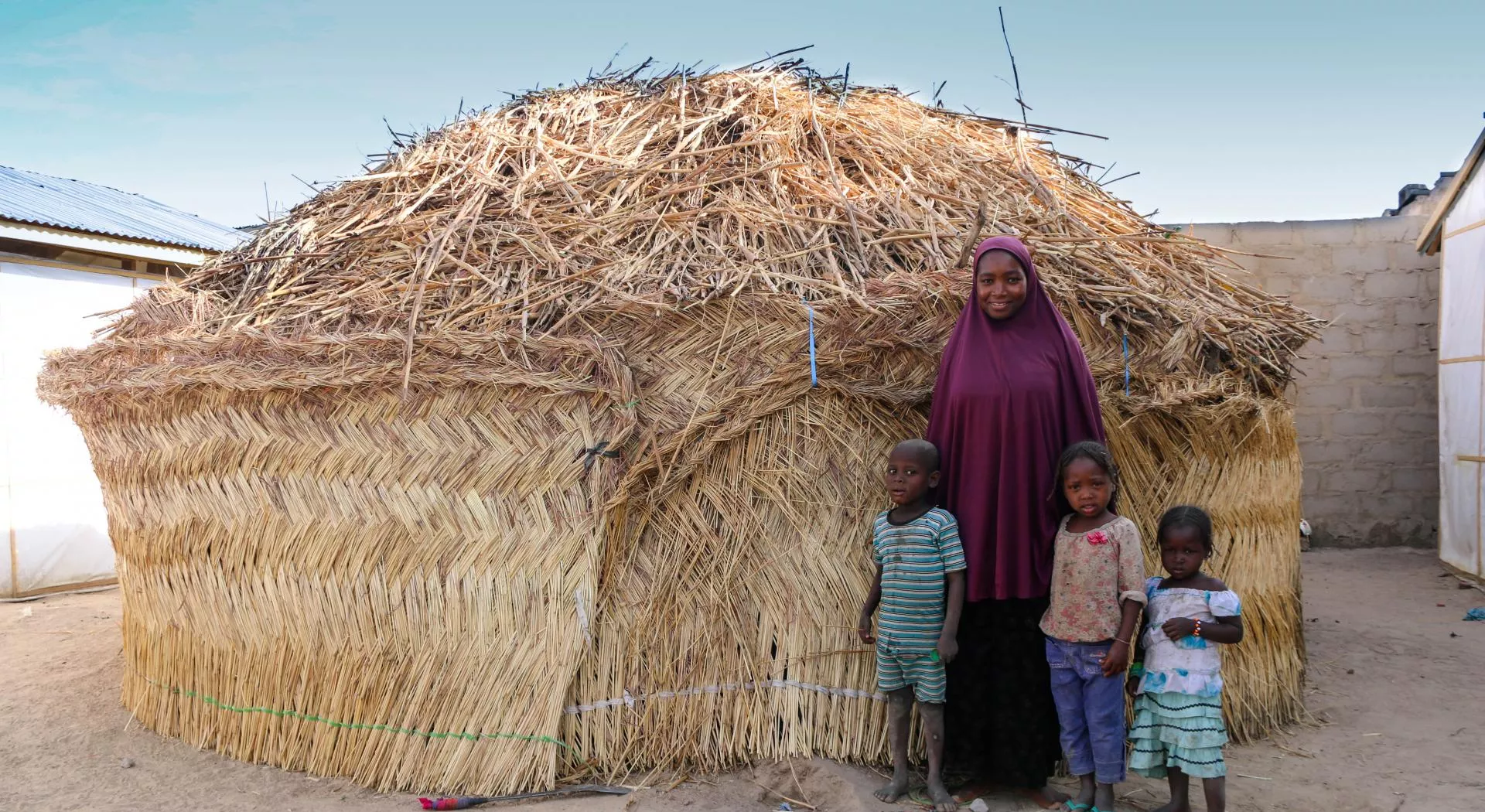
Millions of people have fled their homes and sought safety in urban areas, placing enormous pressure on cities. In some locations, the population has doubled due to the influx of displaced people. Large displacement camps have emerged around urban centers, including a camp near Bama that shelters approximately 100,000 Nigerians. At the same time, food insecurity has worsened as inflation - driven by fuel subsidy removal and foreign exchange fluctuations - continues to rise.

The massive influx of displaced people is also straining access to clean drinking water, food, and shelter, fuelling new tensions and conflicts. In late July 2025, Médecins Sans Frontières warned of alarming levels of malnutrition among children and a growing number of adults. The United Nations has expressed serious concern about Nigeria’s food situation, with 31 million people at risk of famine. Since 2024, soaring inflation has further exacerbated the crisis, making basic food increasingly unaffordable.

ZOA in Nigeria

ZOA has been providing emergency assistance in Nigeria since 2016 and is now at the forefront of humanitarian efforts, delivering life-saving aid, livelihood support, and resilience-building programmes in Northern and Southern Borno and Yobe States.

Cash Distribution

ZOA supports vulnerable people through monthly cash assistance programmes in Monguno and Jere, with at least 80 per cent of the cash spent on food. The selected households are among the most vulnerable, including female-headed families, pregnant and lactating women, and elderly people, many of whom have exhausted their resources and resorted to negative coping strategies such as survival sex, begging, eating fewer meals, and accumulating debt.

As a result of ZOA’s intervention, malnutrition rates are declining, food security is improving, and women and girls are less vulnerable to violence and sexual exploitation. Despite warnings of famine, the worst-case scenario has been prevented in the project areas. Cash assistance is delivered through the RedRose digital platform, using e-cards or e-vouchers and biometric authentication.
The impact of our work in Nigeria in 2024

With a team of 31 we supported 170,151 people

0
people were reached through our programmes
Icon/onderwijs
27 digital hubs enabled marginalised groups to participate in the digital economy
0
people gained digital skills through training and peer learning

Water and sanitation in overcrowded camps

ZOA responds rapidly to high WASH (water, sanitation and hygiene) needs in camps and communities through water and sanitation programmes that combine the construction of water points and latrines with hygiene education and soap distribution. During the rainy season, overcrowded IDP camps are particularly vulnerable to cholera outbreaks. ZOA coordinates the cholera response in the Jere area by distributing soap and water purification tablets, chlorinating water points, and conducting hygiene campaigns. As a result, cholera outbreaks remain under control in ZOA’s target areas.

Gender, Diversity, and Inclusion (GDI) is central to ZOA’s approach, ensuring equal access to opportunities for all.

working together

Donors and partners

ZOA works with humanitarian partners within the Dutch Relief Alliance under the Nigeria Joint Response. Together with LHI, a local NGO, ZOA is preparing a livelihoods project to support women in establishing income-generating activities. The programme is funded by the Dutch Ministry of Foreign Affairs, World Renew, Canadian Food Grains Bank, UNOCHA through the Nigeria Humanitarian Fund, and ZOA Netherlands.

Fanne Al-Amin (20 years old), Nigeria

Fanne Al-Amin (20 years old), Nigeria

I had to run for my life. Now I live here, in this refugee camp. I'd rather go back to my village, but that is not possible. I am too scared.