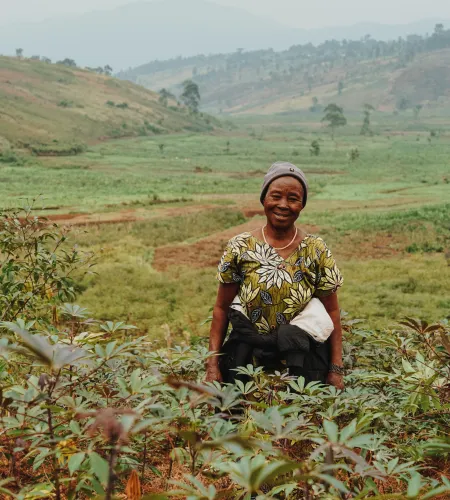
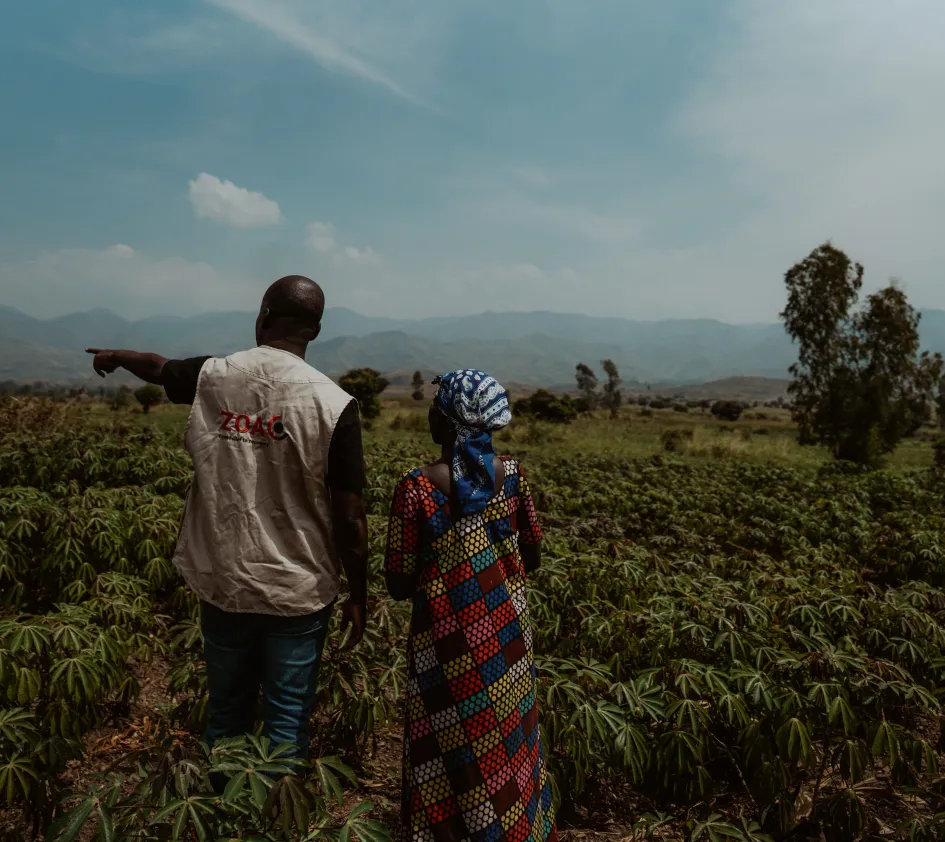
A farmer and a ZOA employee in DRC Congo

How the PIP approach strengthens farmers and communities

ZOA recently conducted an impact study on the Participatory Integrated Planning (PIP) approach in Burundi, the Democratic Republic of the Congo (DRC), and Uganda. The results show a clear picture: PIP helps smallholder farmers improve their food security, strengthen household collaboration, and adopt sustainable farming practices that last.

Download the brochure

What is PIP?

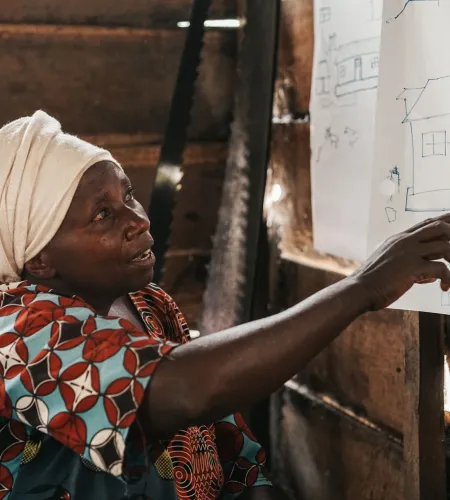
The PIP approach - known in Burundi as Mboniyongana! (“I see where I want to go!”) - supports farmers to create a long-term vision for their household and a practical plan to achieve it. Through training and peer-to-peer scaling, farmers learn sustainable land management, collaborate more effectively, and take ownership of their own development.

Developed by Wageningen University & Research and implemented by ZOA for more than ten years, PIP is now used in Burundi, DRC, Uganda, Syria and Nigeria.
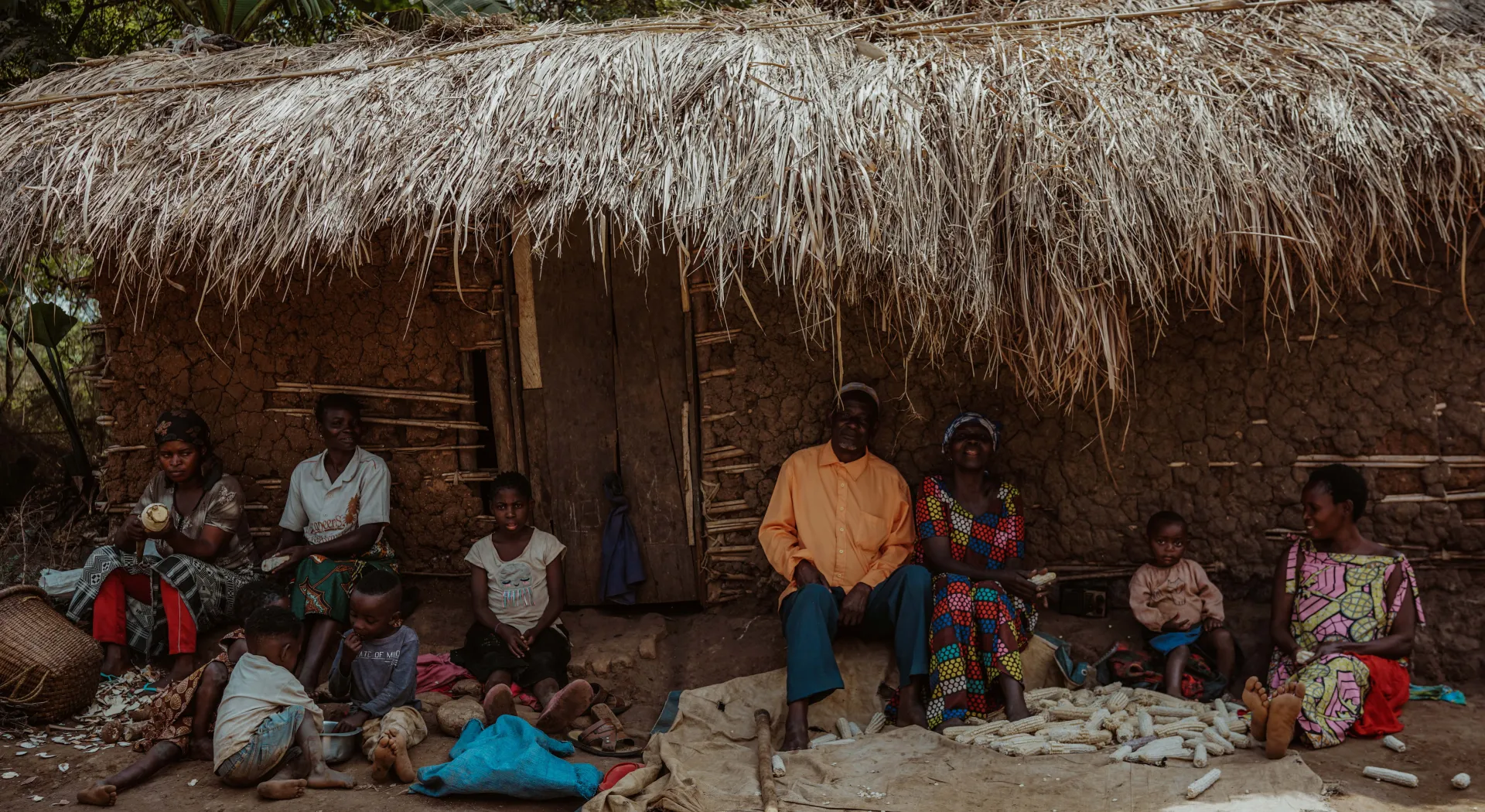
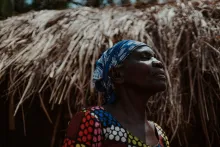
Monewa Ndambaka Shitina (59) in DRC:

"With the PIP approach, my husband and I learned how to live financially independent. By selling our products, we can buy bricks to build our house, keep livestock, and send our children to school."

What the study shows

Based on quantitative data from more than 2,700 households and interviews with farmers who have been applying PIP for several years, the study highlights three main outcomes:

1. Improved food security and livelihoods

Households using PIP recorded higher Food Consumption Scores and more diverse diets than households in comparable areas without PIP. In DRC, farmers also expanded the amount of land they cultivate - either by using their land more effectively or by reinvesting income to rent or buy new plots.

2. Stronger collaboration within households and communities

PIP encourages families to plan together. This has led to more joint decision-making, greater involvement of women and youth, and stronger community cohesion. Neighbours increasingly teach one another, helping the approach spread naturally to nearby villages.

3.  Climate-resilient farming practices

The adoption of sustainable land management - such as agroforestry, contour farming, and organic fertiliser - increased sharply, especially in DRC. These practices are crucial as climate change intensifies droughts, erosion, and irregular rainfall.

A foundation for long-term change

Across all countries, farmers and ZOA staff reported that the changes introduced through PIP last well beyond the project period. Early successes motivate households to continue, and leadership at community level helps sustain momentum.

Now is the time to scale it further. By partnering with ZOA, donors and development actors can help expand PIP to new regions, strengthen food security, and build climate-resilient communities.

Contact us at info@zoa.ngo. For more details and conclusions, download the full paper below

Download now